Identify & Repair Plumbing Sounds
Book TodayPresented here in the next paragraph you will find some quality data on the subject of Why Do My Plumbing Pipes Make A Knocking Noise.
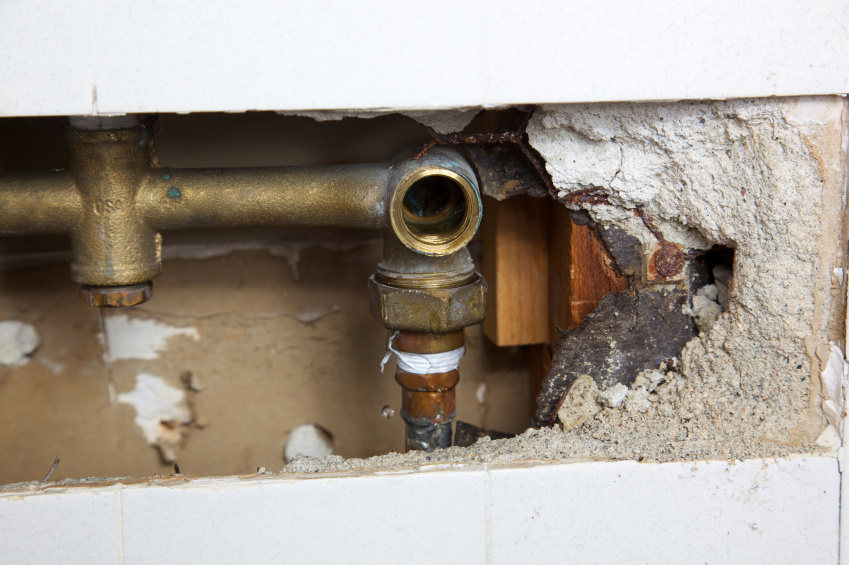
To identify noisy plumbing, it is important to establish very first whether the unwanted audios take place on the system's inlet side-in other words, when water is turned on-or on the drainpipe side. Sounds on the inlet side have differed causes: excessive water stress, worn valve and also faucet components, incorrectly connected pumps or other devices, improperly placed pipeline bolts, and plumbing runs containing a lot of limited bends or various other restrictions. Sounds on the drain side normally stem from bad place or, similar to some inlet side sound, a design having tight bends.
Hissing
Hissing sound that occurs when a faucet is opened a little typically signals too much water pressure. Consult your regional public utility if you think this trouble; it will be able to inform you the water pressure in your location and can set up a pressurereducing valve on the incoming water system pipeline if required.
Thudding
Thudding sound, often accompanied by shuddering pipelines, when a tap or appliance valve is switched off is a condition called water hammer. The noise as well as resonance are caused by the reverberating wave of stress in the water, which suddenly has no place to go. Often opening up a shutoff that discharges water promptly right into a section of piping including a constraint, arm joint, or tee installation can generate the very same condition.
Water hammer can typically be healed by installing installations called air chambers or shock absorbers in the plumbing to which the trouble valves or faucets are linked. These tools permit the shock wave created by the halted flow of water to dissipate airborne they have, which (unlike water) is compressible.
Older plumbing systems may have short vertical sections of capped pipe behind walls on faucet competes the very same purpose; these can at some point full of water, minimizing or ruining their performance. The cure is to drain the water supply entirely by shutting off the primary water shutoff as well as opening all taps. After that open up the main supply valve as well as close the taps individually, beginning with the faucet nearest the valve and ending with the one farthest away.
Babbling or Shrilling
Extreme chattering or shrilling that occurs when a valve or faucet is switched on, which normally vanishes when the fitting is opened fully, signals loosened or defective internal parts. The option is to change the valve or tap with a brand-new one.
Pumps and home appliances such as washing machines and also dish washers can move electric motor sound to pipelines if they are improperly linked. Link such products to plumbing with plastic or rubber hoses-never stiff pipe-to isolate them.
Other Inlet Side Noises
Creaking, squeaking, scraping, breaking, as well as touching normally are triggered by the growth or contraction of pipes, typically copper ones supplying hot water. The sounds occur as the pipelines slide versus loosened fasteners or strike nearby house framing. You can typically identify the place of the issue if the pipes are subjected; just comply with the noise when the pipes are making noise. Probably you will discover a loose pipe hanger or an area where pipelines exist so near flooring joists or various other mounting items that they clatter versus them. Connecting foam pipeline insulation around the pipes at the point of get in touch with ought to fix the issue. Be sure straps and hangers are safe and secure and also give ample assistance. Where possible, pipe fasteners should be connected to huge structural elements such as structure wall surfaces rather than to framing; doing so lessens the transmission of resonances from plumbing to surfaces that can amplify and also transfer them. If attaching bolts to framing is inescapable, wrap pipes with insulation or various other resilient product where they get in touch with fasteners, and sandwich the ends of brand-new fasteners in between rubber washing machines when installing them.
Remedying plumbing runs that struggle with flow-restricting limited or many bends is a last option that must be carried out just after seeking advice from a knowledgeable plumbing professional. However, this situation is relatively common in older residences that may not have actually been built with indoor plumbing or that have seen numerous remodels, especially by beginners.
Drainpipe Noise
On the drain side of plumbing, the chief objectives are to eliminate surface areas that can be struck by falling or hurrying water and to protect pipelines to include inescapable sounds.
In new building, bath tubs, shower stalls, toilets, and wallmounted sinks and also basins ought to be set on or versus resistant underlayments to lower the transmission of sound with them. Water-saving commodes and faucets are less noisy than traditional designs; mount them as opposed to older kinds even if codes in your location still permit using older fixtures.
Drainpipes that do not run vertically to the basement or that branch into straight pipeline runs sustained at flooring joists or various other mounting existing particularly bothersome sound troubles. Such pipelines are big sufficient to emit substantial resonance; they likewise carry significant quantities of water, that makes the situation even worse. In brand-new construction, specify cast-iron dirt pipes (the big pipes that drain toilets) if you can afford them. Their massiveness contains much of the sound made by water passing through them. Also, stay clear of transmitting drains in wall surfaces shown bed rooms as well as rooms where individuals gather. Walls including drains need to be soundproofed as was defined earlier, utilizing double panels of sound-insulating fiberboard and also wallboard. Pipelines themselves can be wrapped with special fiberglass insulation made for the objective; such pipelines have an invulnerable vinyl skin (sometimes having lead). Outcomes are not constantly satisfying.
3 Most Common Reasons for Noisy Water Pipes
Water hammer
When water is running and is then suddenly turned off, the rushing liquid has no place to go and slams against the shut-off valve. The loud, thudding sound that follows is known as a water hammer. Besides being alarming, water hammer can potentially damage joints and connections in the water pipe itself. There are two primary methods of addressing this issue.
Check your air chamber. An air chamber is essentially a vertical pipe located near your faucet, often in the wall cavity that holds the plumbing connected to your sink or tub. The chamber is filled with air that compresses and absorbs the shock of the fast moving water when it suddenly stops. Unfortunately, over time air chambers tend to fill with water and lose their effectiveness. To replenish the air chambers in your house you can do the following. Turn off the water supply to your house at the main supply (or street level). Open your faucets to drain all of the water from your plumbing system. Turn the water back on. The incoming water will flush the air out of the pipes but not out of the vertical air chamber, where the air supply has been restored. Copper pipes
Copper pipes tend to expand as hot water passes through and transfers some of its heat to them. (Copper is both malleable and ductile.) In tight quarters, copper hot-water lines can expand and then noisily rub against your home's hidden structural features — studs, joists, support brackets, etc. — as it contracts.
One possible solution to this problem is to slightly lower the temperature setting on your hot water heater. In all but the most extreme cases, expanding and contracting copper pipes will not spring a leak. Unless you’re remodeling, there's no reason to remove sheetrock and insert foam padding around your copper pipes.
Water pressure that’s too high
If your water pressure is too high, it can also cause noisy water pipes. Worse, high water pressure can damage water-supplied appliances, such as your washing machine and dishwasher.
Most modern homes are equipped with a pressure regulator that's mounted where the water supply enters the house. If your home lacks a regulator, consider having one professionally installed. Finally, remember that most plumbers recommend that water is delivered throughout your home at no lower than 40 and no greater than 80 psi (pounds per square inch).
Whatever the state of your plumbing, one thing is certain — you’re eventually going to encounter repair and replacement issues around your home that require professional help. That’s where American Home Shield can come to your aid.
https://www.ahs.com/home-matters/repair-maintenance/causes-of-noisy-water-pipes/
Do you enjoy reading about Diagnose Unwanted Plumbing Noises? Make feedback down the page. We'd be delighted to know your responses about this blog posting. We are looking forward that you come back again before long. Sharing is nice. Helping people is fun. I praise you for your time. Kindly check our site back soon.
Visit The Following Page